
Verona Tickets

Quick Information

Plan your visit

Did you know?

Sigurta Park spans over 60 hectares, making it one of Italy’s largest privately owned gardens.

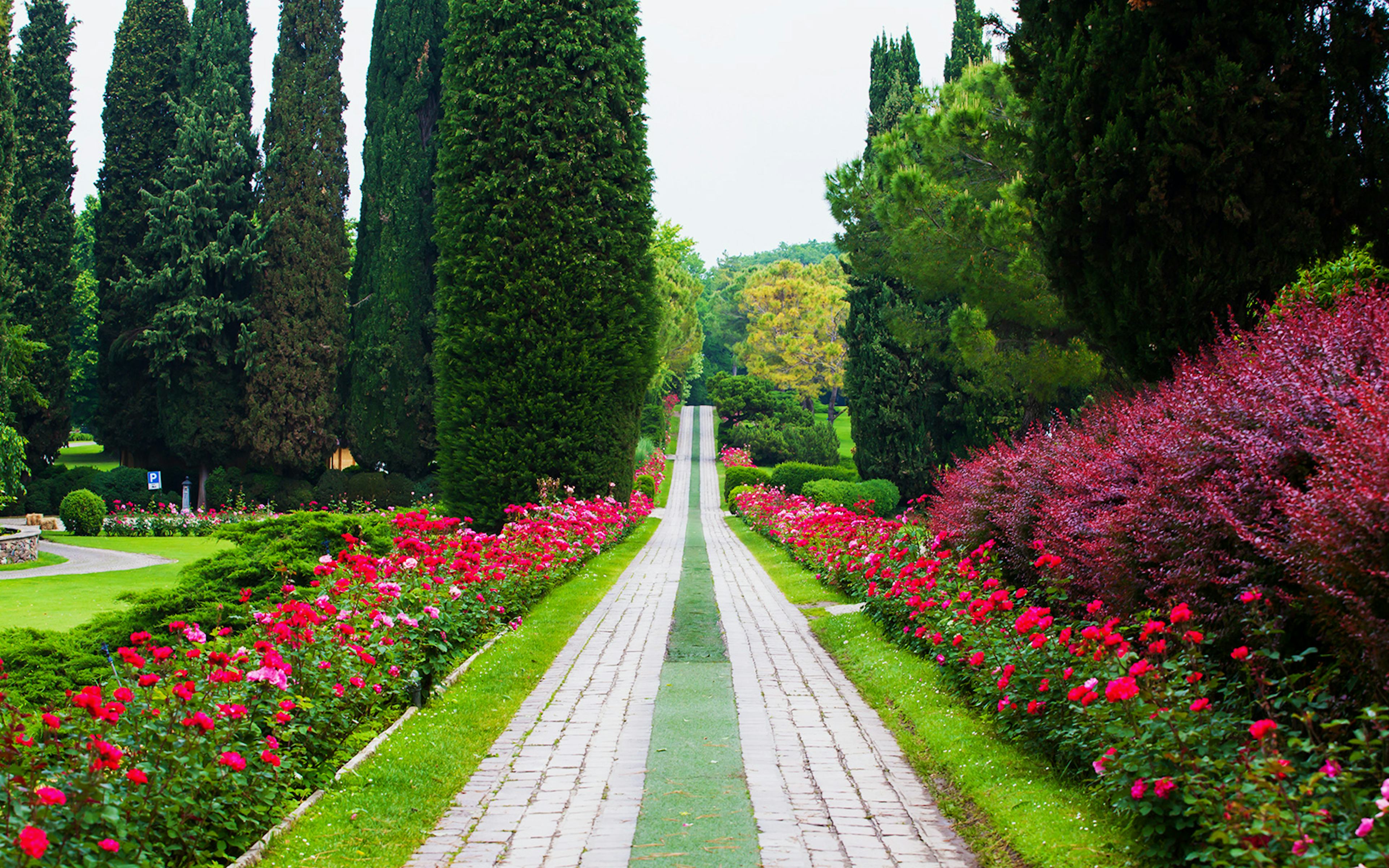
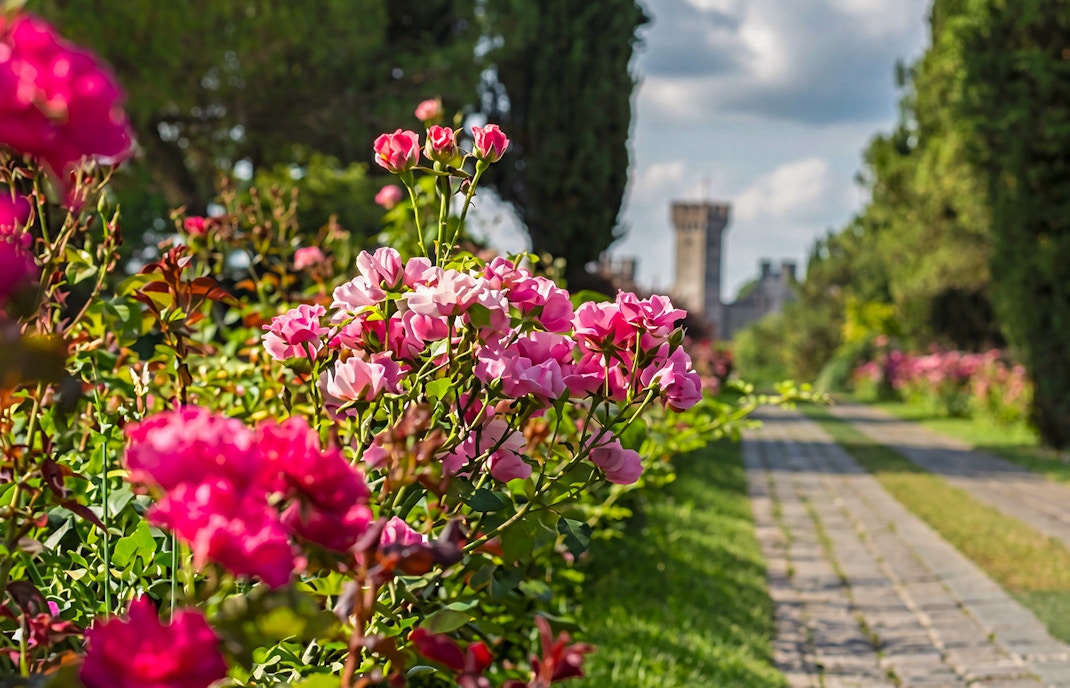
The park’s Rose Avenue features over 30,000 roses, creating a fragrant spectacle each spring.

Its boxwood maze, opened in 2011, is made up of 1,500 yew shrubs and covers 2,500 square meters.

The first thing you notice at Sigurtà Park is space. Paths open onto velvet lawns, still ponds, and flower borders that keep unfolding as you walk. Even on a busy day, the park feels built for slow movement: birdsong, clipped hedges, water reflections, and sudden bursts of color around each bend.

This landscape was shaped as a garden retreat rather than a wild park. Over time, the Sigurtà family turned the estate into a meticulously designed botanical experience, where rose avenues, water gardens, and seasonal blooms are meant to be discovered at an unhurried pace.

The emotional payoff is calm with variety. You leave feeling as if you’ve moved through several gardens in one afternoon, from formal symmetry to open countryside, without ever losing the sense of being in a single carefully composed place.

Skip it if: you dislike long outdoor walks, heat, or paying extra for internal transport across a very large park.

What’s inside Sigurtà Park?

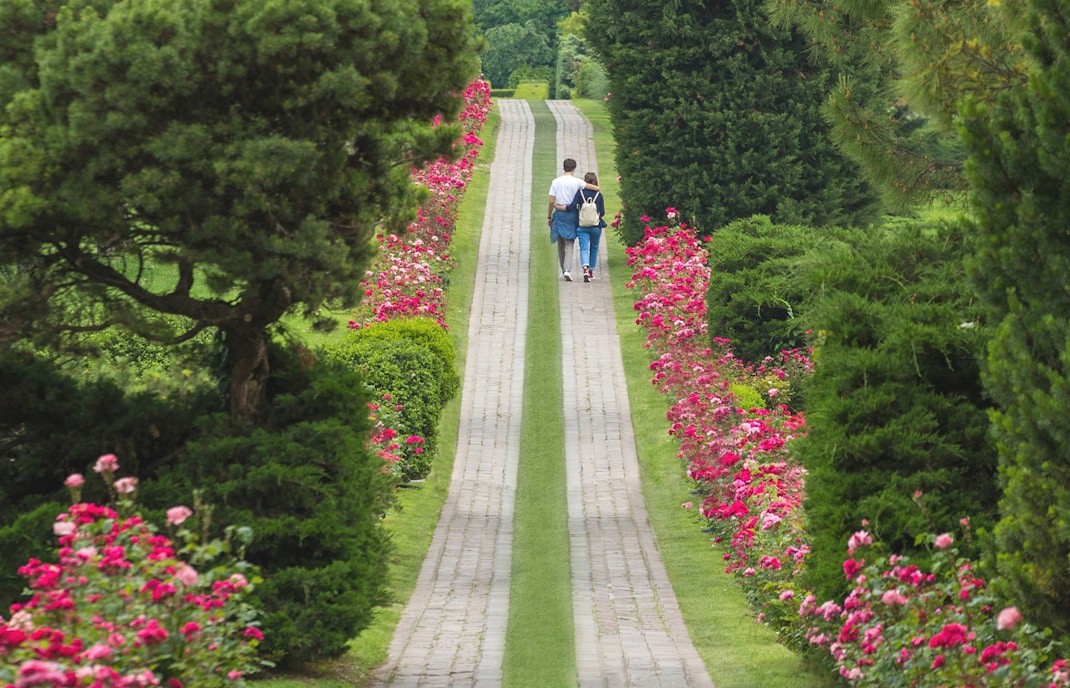
Rose Avenue at Sigurtà Park
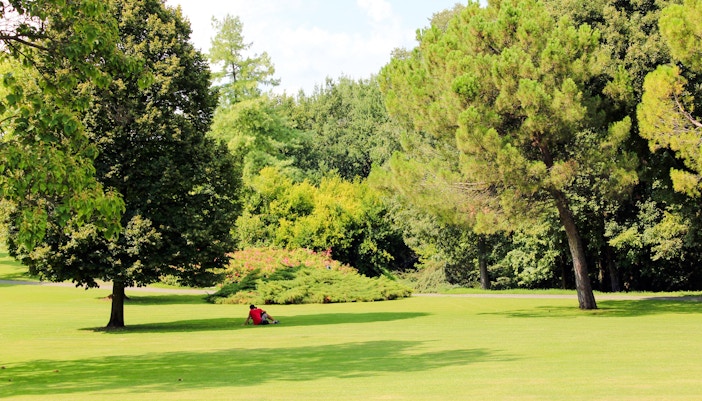
Great lawn and lakes in Sigurtà Park
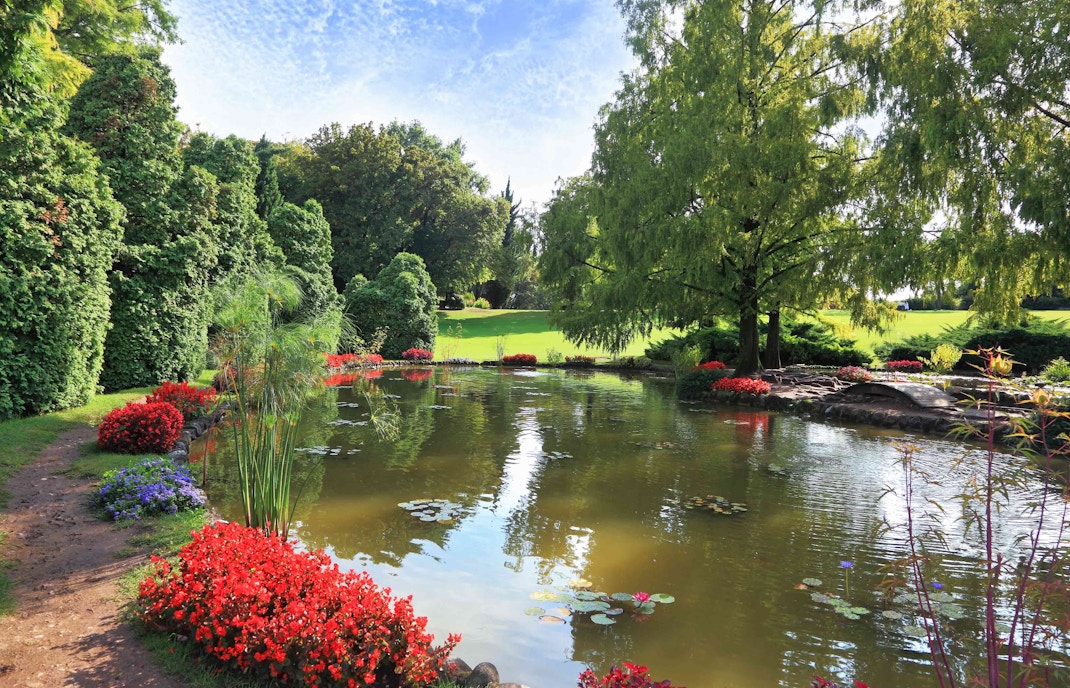
Panoramic Water Gardens at Sigurtà Park
Yew labyrinth at Sigurtà Park
Great Oak in Sigurtà Park
Eremo di Laura at Sigurtà Park
Dog cemetery at Sigurtà Park
1/7

Rose Avenue

This 1km avenue is the park’s signature view, lined with thousands of spring roses and a long formal perspective toward Valeggio. Go in May and early in the day for better light and fewer people.

Great lawn and lakes

The broad central meadow opens around shallow lakes filled with seasonal floating displays, water lilies, and summer lotuses. It is the best place to pause, picnic, and understand the scale of the 60-hectare grounds.

Panoramic Water Gardens

Reflective ponds, lily pads, and a mirrored tower make this one of the most photogenic corners of the park. Morning light is best here, when glare is lower and the water reads like glass.

The labyrinth

A 2,500m² maze of 1,500 yew shrubs, finished with a central tower and dome. It usually takes 30–45 minutes to solve, so don’t treat it as a quick detour if your schedule is tight.

The Great Oak

The 400-year-old sessile oak gives the park a sense of age that flower beds cannot. Stand beneath its 40m canopy to appreciate how the garden balances meticulous planting with living monuments.

Eremo di Laura

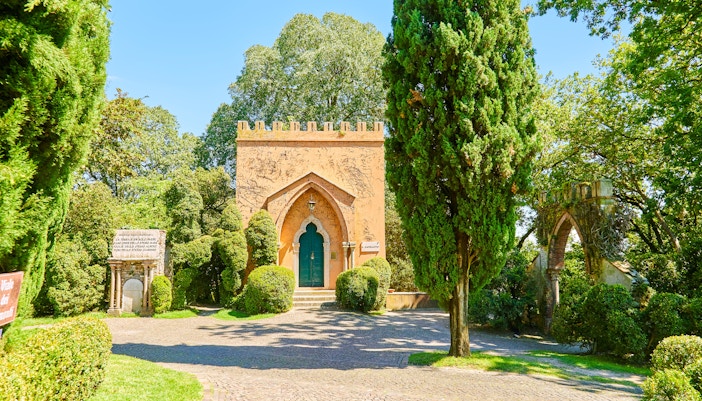
Built in 1792, this neo-Gothic hermitage adds stillness and historical texture after the open lawns. It is one of the best places for a quieter pause away from the park’s busiest photo zones.

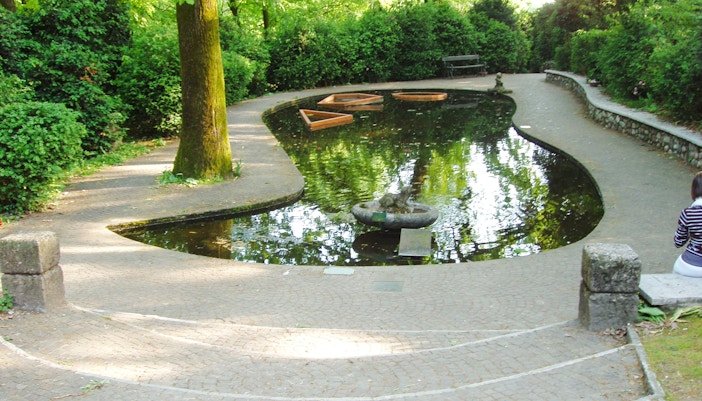
Dog cemetery

This small memorial garden is unusual, shaded, and unexpectedly moving, with weeping willows, a pond, and a dog monument. It takes only a few minutes, but it reveals the family story behind the estate.

Plan your Sigurtà Park visit

Sigurtà Park is easy to enjoy on your own, but transport rentals can change the pace of the visit dramatically. If you want to cover more ground without turning the day into a long walk, choose options that let you move quickly between the Rose Avenue, lakes, labyrinth, and quieter corners.

How to Explore Sigurtà Park

How to explore Sigurtà Park

Budget 3–4 hours if you want to walk the park at a relaxed pace, and closer to 2.5 hours if you use the panoramic train, e-bike, or golf cart to cover longer stretches. The big variable is how often you stop: flower displays, the labyrinth, and photo breaks can easily turn a quick circuit into a half-day.

Suggested route: Start early with the Rose Avenue and Panoramic Water Gardens, when the light is softer and the main paths are still quiet. Continue to the Great Lawn and lakes for the widest views, then tackle the labyrinth before lunch so you still have energy for it. Use the afternoon for the Hermitage, the Great Oak, and smaller corners like the dog cemetery, then finish at the Panoramica viewpoint.

Must-see: Rose Avenue, Panoramic Water Gardens, Great Lawn and lakes, and the labyrinth tower. Optional: The Hermitage, Great Oak, dog cemetery, and educational farm add atmosphere and variety, but together can add 45–60 minutes.

Guided vs self-paced: Self-paced works well because the park is visually legible and easy to roam. A guided visit adds value if you want the estate’s backstory, planting logic, and seasonal context rather than just a scenic walk.
See all your ticket options to explore the park

History of Parco Sigurtà in a nutshell

  • 1407: The site appears in early records as an agricultural estate in the Mincio Valley.
  • 1617: A more formal landscaped property begins to take shape around the estate villa.
  • 1792: The Eremo di Laura is built, adding the Romantic-era chapel that still stands within the gardens.
  • 1941: Carlo Sigurtà acquires the neglected estate and begins restoring its water systems and grounds.
  • 1978: The garden opens to the public as Parco Giardino Sigurtà.
  • Today: The 60-hectare park is internationally known for Tulipanomania, the Rose Avenue, and large-scale seasonal floral displays.

Read the full history of Sigurtà Park →

Who built Parco Sigurtà

Sigurtà Park was not created by a single landscape architect. Its modern identity comes from Carlo Sigurtà, who bought the estate in 1941 and transformed a neglected property into a botanical park through restored irrigation, long-term planting, and a family vision of cultivated landscape.

Architecture of Sigurtà Park

Style

A landscaped garden that mixes Romantic views with formal geometry, so the park shifts between open pastoral meadows and tightly composed flower avenues.

Materials

Grass terraces, gravel paths, clipped hedges, stone bridges, ponds, and seasonal planting beds define what you actually move through.

Structure

Long axes, water basins, and gentle rises keep revealing new sightlines, from the Rose Avenue to the Panoramic Water Gardens and labyrinth tower.

On the ground

You experience the design in sequences: shade under the Great Oak, mirrored reflections at the ponds, then sudden openness on the main lawns.

The season you visit shapes the entire Sigurtà experience

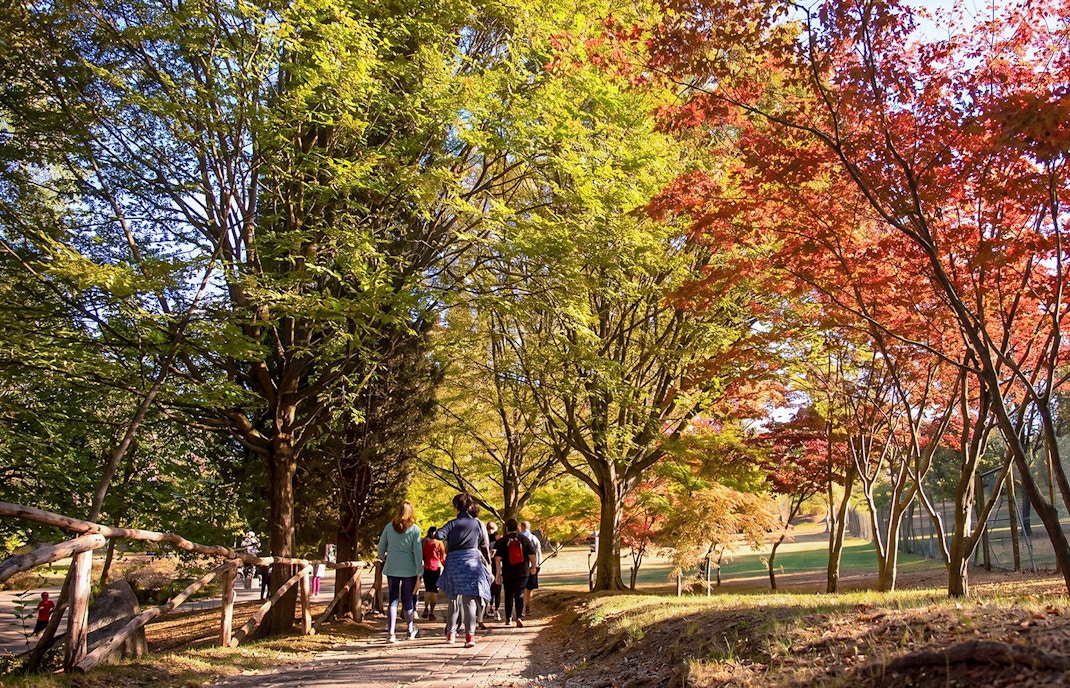
Sigurtà Park changes more dramatically with the calendar than most botanical attractions. In spring, Tulipanomania covers the grounds with more than a million tulips; by May, the Rose Avenue takes over; summer brings lotus blooms and water lilies; autumn shifts the whole park toward copper and gold. That means the same visit can feel completely different depending on when you go. If you are choosing dates for atmosphere rather than convenience, this is a park where season matters almost as much as route.

Check what’s in bloom before you visit

From Tulipanomania’s million tulips to summer lotus blooms and autumn colors, Parco Giardino Sigurtà transforms with the seasons. Checking the bloom calendar before booking helps you experience the park at its most spectacular.

Frequently asked questions about Sigurtà Park

Yes, especially if you like gardens you can actually roam rather than just photograph. Plan around spring tulips or May roses, and pre-book busy dates so you spend your time inside the park, not at the entrance. See tickets.

More reads