Verona Tickets

Plan your visit to Sigurta Park

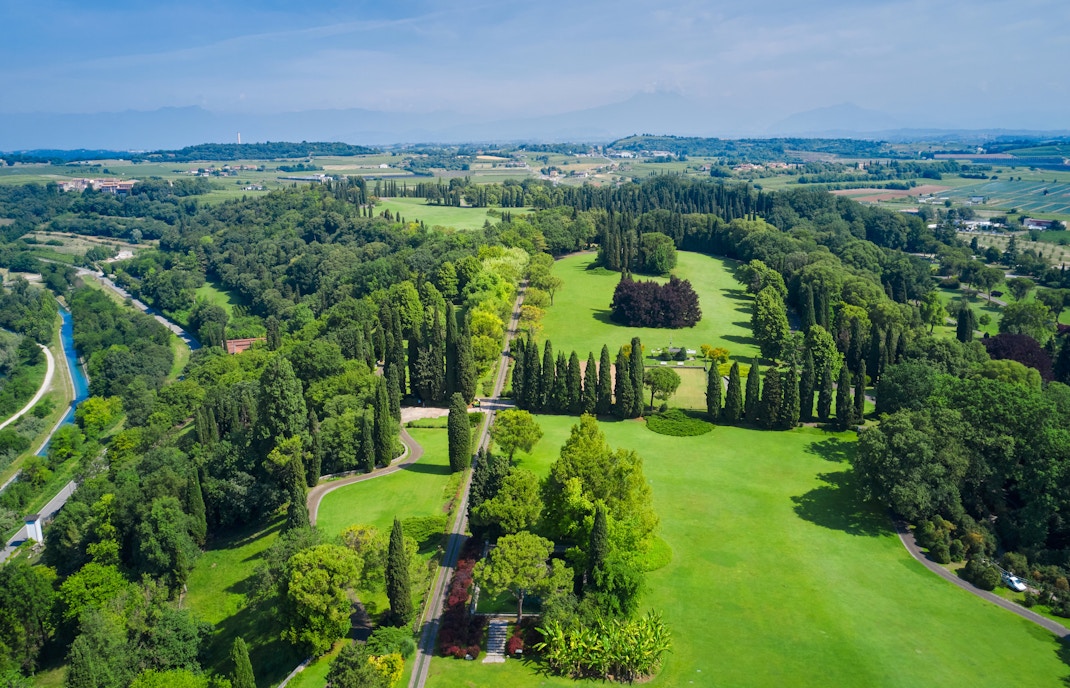
Sigurta Park is a vast botanical park near Verona best known for its seasonal flower displays, rose avenue, and one of Italy’s most photogenic garden landscapes. This is not a quick stroll: the park covers 60 hectares, and the difference between a relaxed visit and a tiring one usually comes down to route planning and whether you use internal transport. If you time your visit well and know what to prioritize, you’ll see far more without rushing. This guide covers timing, tickets, routes, and practical day-of tips.

Quick overview: Sigurta Park at a glance

If you want the short version before you book, this is what actually changes the day.

  • When to visit: Sigurta Park is open during its March–November season. Weekday mornings in April, May, September, and October are noticeably calmer than Easter weekends and spring Sundays, because the flower peaks pull heavy local day-trip crowds.
  • Getting in: From €18 for standard adult entry. Internal add-ons start from €5 for the panoramic train. Walk-ins usually work, but Tulipanomania dates, Easter, and holiday weekends are the moments to book ahead.
  • How long to allow: 3–4 hours for most visitors. It stretches toward a full day if you picnic, rent a bike or golf cart, or want the full outer loop rather than just the famous viewpoints.
  • What most people miss: The hermitage, the Great Oak, and the quiet dog cemetery are easy to skip if you only follow the rose avenue and labyrinth crowd flow.
  • Is a guide worth it? Not always. This park works well self-guided, but a live guide or narrated train ride adds real value if you want botanical context or don’t want to waste time stitching together the far-side route.

🎟️ Entry slots for Sigurta Park sell out days in advance during Tulipanomania, Easter, and holiday weekends. Lock in your visit before the time you want is gone.

See ticket options below

Jump to what you need

Where and when to go

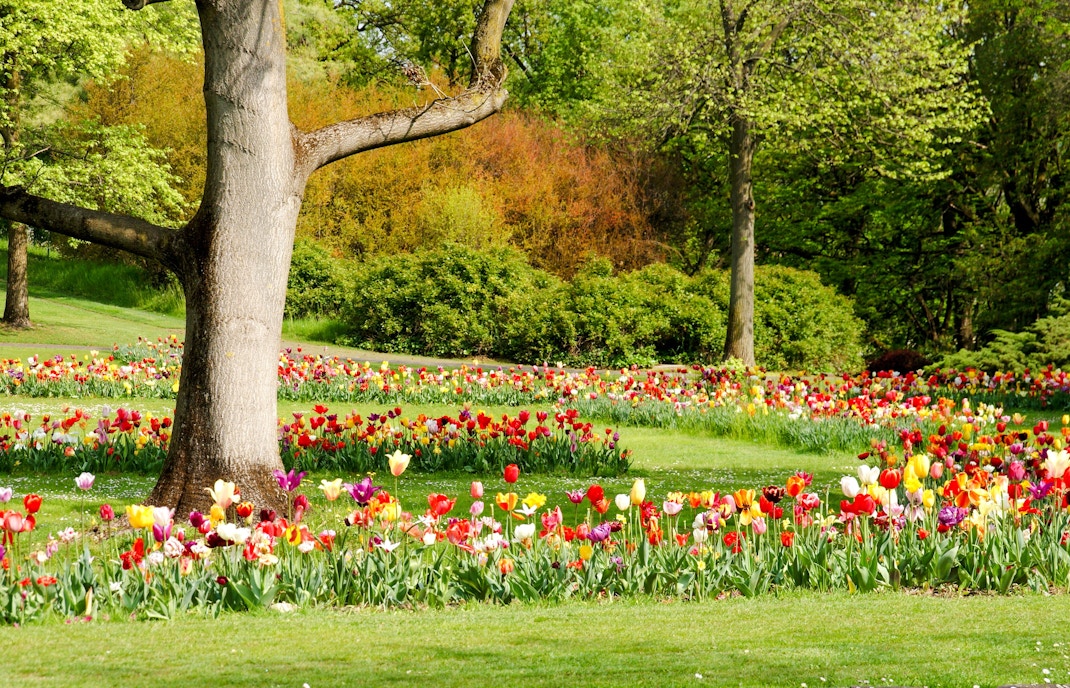
Tulipanomania is the draw — but April weekends are the hardest time to enjoy it

If you’re visiting for the tulips, go on a weekday morning rather than a Sunday afternoon: the blooms are the same, but the paths, cafés, train stop, and photo spots are much less congested.

How much time do you need?

Visit typeRouteDurationWalking distanceWhat you get

Highlights only

Entrance → Viale delle Rose → Great Lawn and lakes → water gardens → labyrinth → exit

2–2.5 hours

~4km

You’ll cover the signature views and best photo spots, but you’ll skip quieter corners like the hermitage, Great Oak, and dog cemetery.

Balanced visit

Entrance → Viale delle Rose → water gardens → Great Lawn → labyrinth → hermitage → Great Oak → exit

3–4 hours

~6km

This is the best first visit: you still see the icons, but you also add the park’s calmer, more distinctive areas without turning the day into a march.

Full exploration

Full outer loop including Viale delle Rose, lakes, water gardens, labyrinth, hermitage, Great Oak, farm area, dog cemetery, and panoramic viewpoints

5+ hours

~8km

This gives you the park properly, but only if you pace yourself, stop for transport or a picnic, and accept that distance — not difficulty — is the real challenge.

Which Sigurta Park ticket is best for you

Ticket typeWhat's includedBest forPrice range

Standard entry

Open-dated entry to Parco Giardino Sigurtà

A flexible, self-paced day with the freedom to leisurely cover the park highlights.

From €16

Entry for 2 + golf cart rental

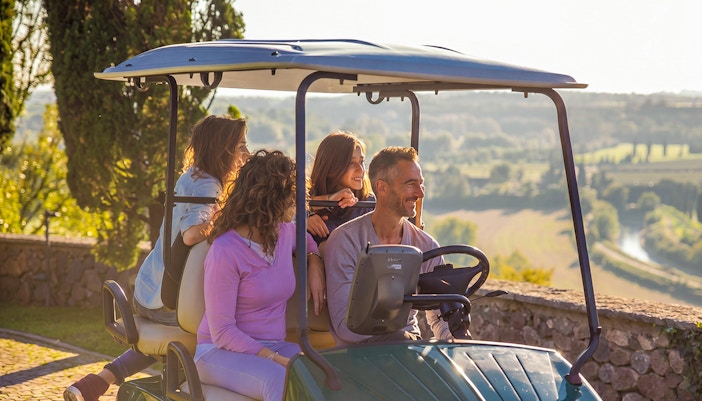
Entry for 2 guests plus a 1-hour golf cart rental (up to 4 guests) with GPS audio guide

No juggling multiple bookings; covering more of the park comfortably in less time without long walks across the gardens.

From €49

Combo: Gardaland + Sigurtà

Entry to Gardaland and Parco Giardino Sigurtà

Perfect for a unique outdoor experience blending adventure and scenic sightseeing in one booking.

From €59

Combo: Sigurtà + Verona Hop-On Hop-Off

Entry to Parco Giardino Sigurtà plus a 24-hour Verona hop-on hop-off bus pass with Red & Blue routes

Sightseeing across Verona at your own pace while adding an easy half-day nature break outside the city center.

From €36

Combo: Sigurtà + Verona Card

Entry to Parco Giardino Sigurtà + A 24/48-hour Verona Card with Arena priority access, free ATV bus travel, & entry to 15 attractions

Maximum exploration and flexibility with seamless transport paired with a garden escape.

From €41

How do you get around Sigurta Park?

Getting around the park made easy

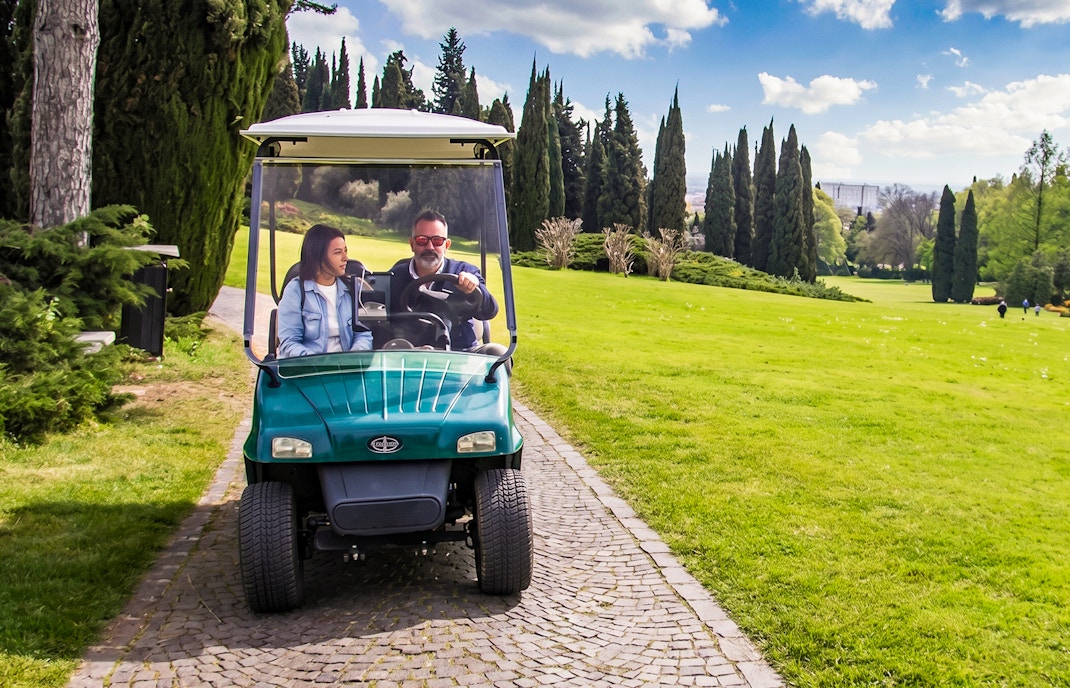
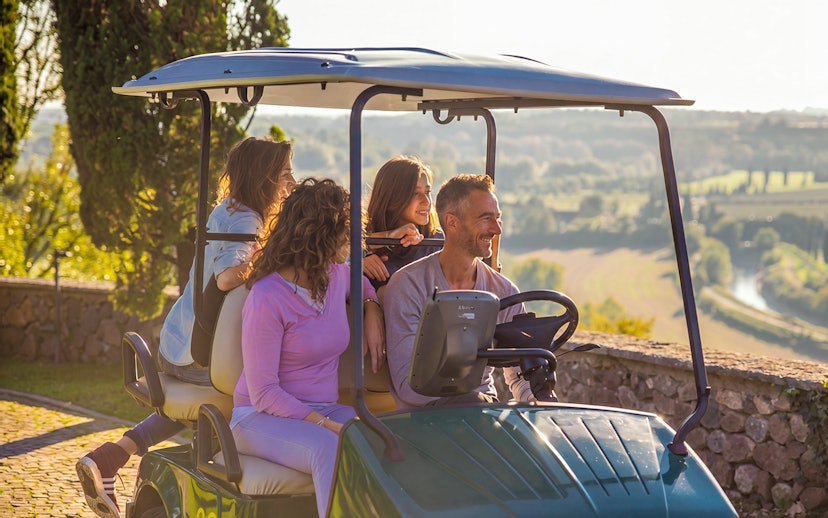
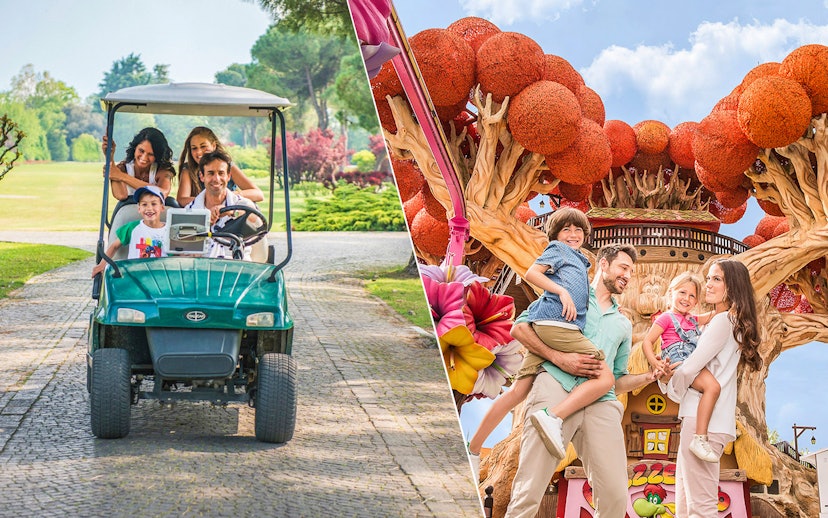
Exploring a 60-hectare garden can quickly turn into walking fatigue. With a 1-hour golf cart rental, you can cover more of Sigurtà’s landscaped beauty comfortably and in less time. Paired with entry for 2, it also saves you the hassle of making separate bookings.

What is Sigurta Park worth visiting for?
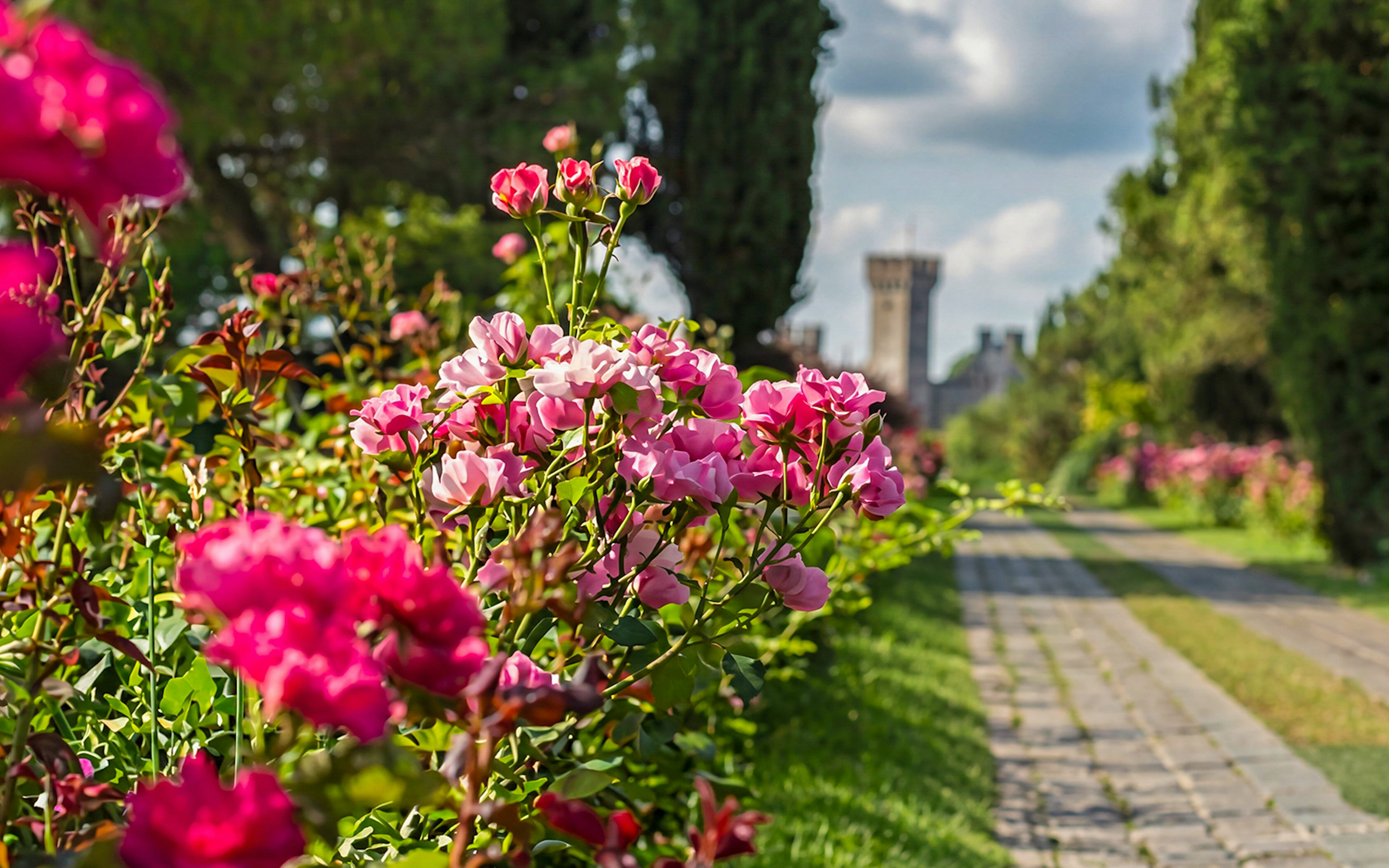
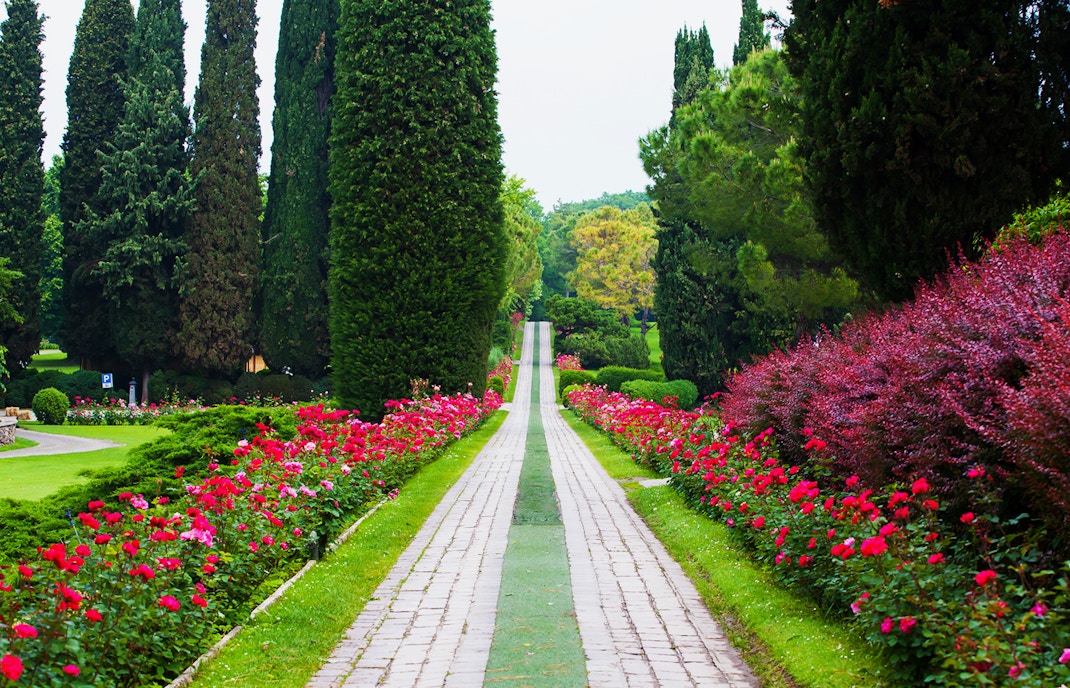
Viale delle Rose at Sigurta Park
Labyrinth at Sigurta Park
Great Lawn and lakes at Sigurta Park
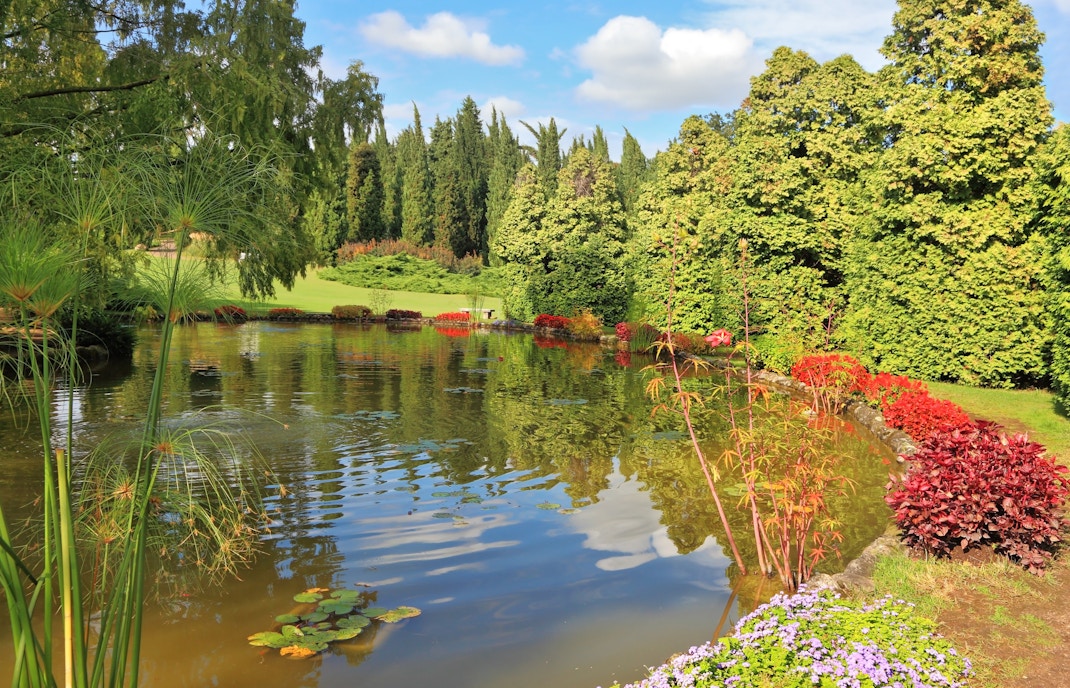
Water gardens at Sigurta Park
Eremo di Laura at Sigurta Park
Great Oak at Sigurta Park
Dog cemetery at Sigurta Park
1/7

Viale delle Rose

Best season: Late spring

The park’s iconic 1km rose-lined avenue draws your eye straight toward the distant Scaliger Castle, creating one of Sigurtà’s most photographed views. Most visitors stick to the center path, but the side angles frame the roses and castle far more beautifully.

Where to find it: On one of the main central axes soon after the entrance.

Il Polirinto

Feature type: Boxwood labyrinth

Built with around 1,500 yew shrubs across 2,500m², the labyrinth is one of Sigurtà’s signature experiences. The real highlight is the elevated view from the central tower, where the garden’s geometric design fully comes into perspective — something many visitors miss in their rush to exit the maze.

Where to find it: In the central garden area, clearly signed from the main paths.

Great Lawn and lakes

Best for: Picnic views and seasonal reflections

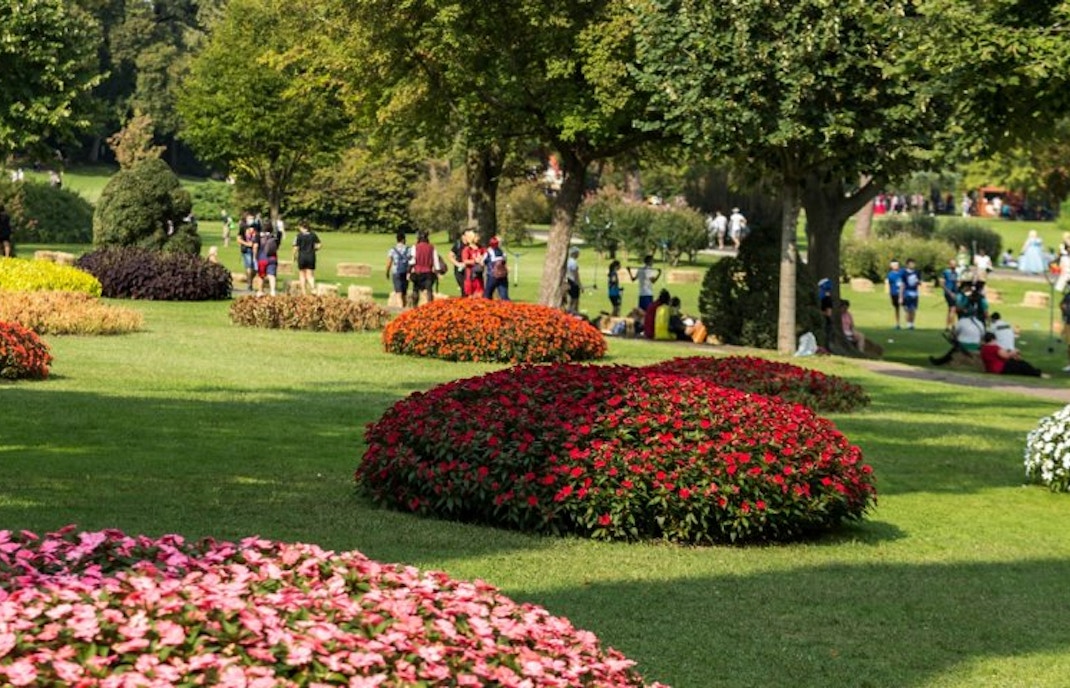
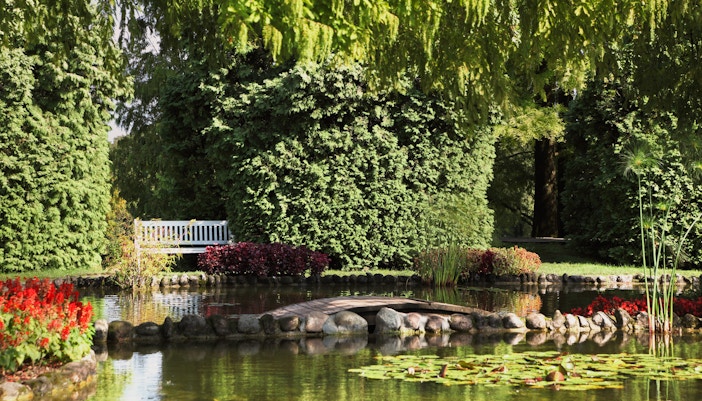
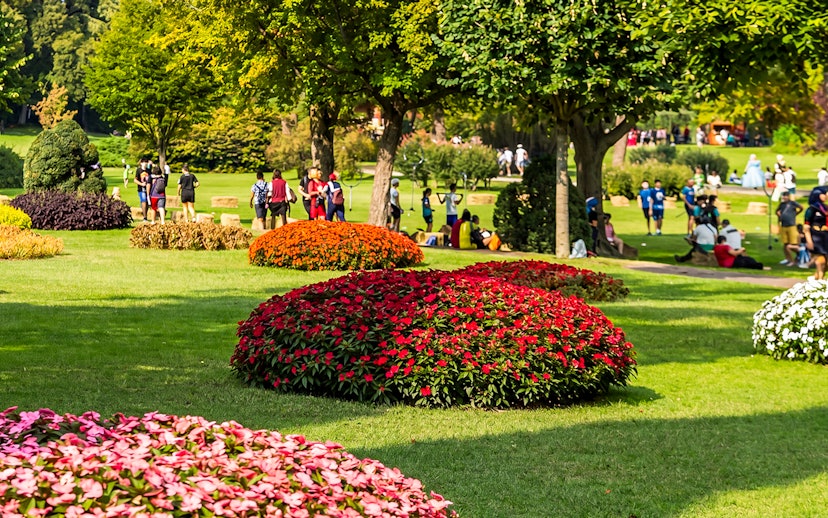
Surrounded by shallow lakes, this sweeping meadow captures the park’s scale at its most serene. Spring brings colorful tulips and floating flower beds, while summer fills the water with lotuses and lilies. Most visitors stop briefly for photos, but it’s one of the best places to slow down and take in the park’s calm atmosphere.

Where to find it: In the park’s central open section between the main flower areas.

Panoramic water gardens

Feature type: Ornamental pond gardens

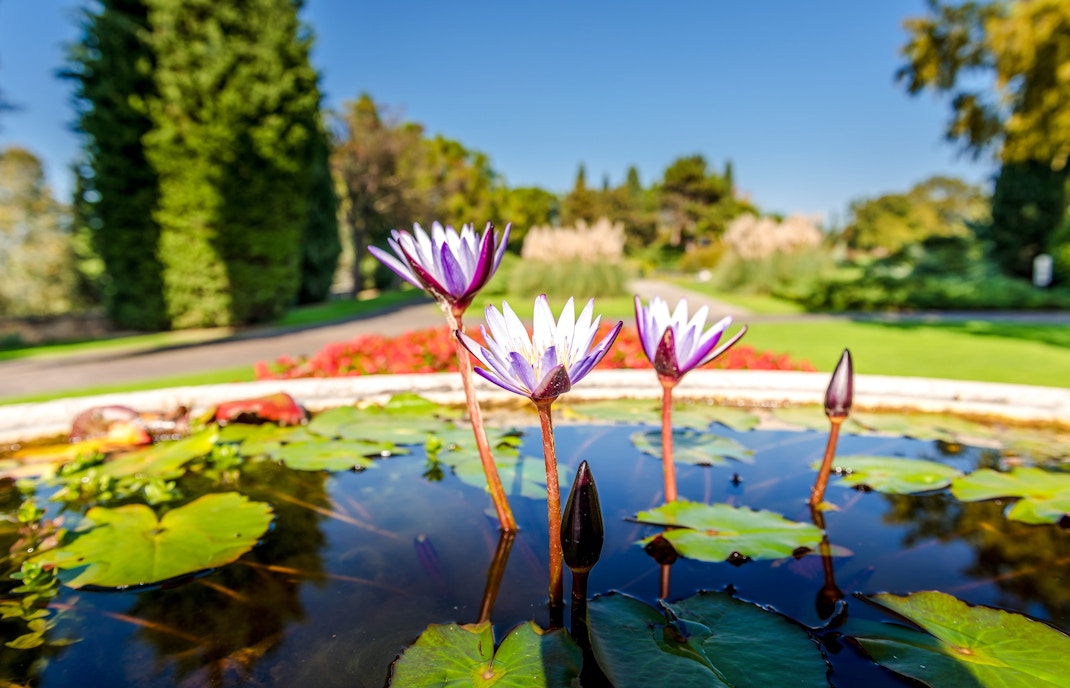
These tranquil water gardens are among Sigurtà’s most photogenic spots, especially when the floral displays reflect across the water. Most visitors pass through quickly, missing how beautifully the tower reflection shifts with the changing light and angles.

Where to find it: Near the central lake and lawn section, connected by footbridges and paths.

Eremo di Laura

Era: 18th-century Romantic garden structure

Built in 1792, the hermitage brings a quieter, more atmospheric side to Sigurtà beyond its grand flower displays. Tucked away from the park’s main viewpoints, it’s easy to miss — especially if you only follow the most photographed paths.

Where to find it: In a more wooded, less central part of the park away from the busiest flower routes.

La Grande Quercia

Feature type: Monumental tree

Over 400 years old, the Great Oak brings a sense of history and permanence that contrasts beautifully with the park’s seasonal blooms. Many visitors overlook it for the more colorful displays, but standing beneath its enormous canopy is one of Sigurtà’s most impressive experiences.

Where to find it: Off the main ornamental routes in the quieter garden section.

Il Cimitero dei Cani

Feature type: Memorial garden

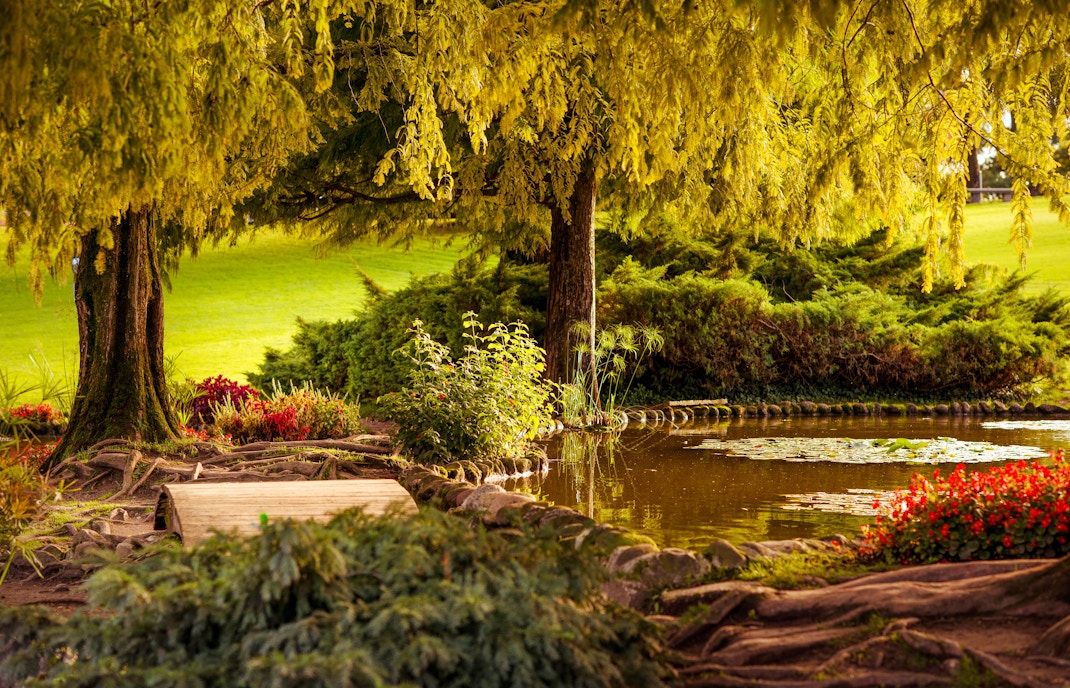
This shaded little dog cemetery beside a lily pond is one of Sigurtà’s most unexpected corners. Often missed by visitors, it adds a quiet, personal touch to the estate beyond the grand gardens and flower displays.

Where to find it: On a short side path in one of the quieter garden areas.

Most visitors never reach the hermitage and dog cemetery

They’re easy to miss because the park’s crowd flow pulls you toward the rose avenue, maze, and main lawns first, and many people turn back before reaching the quieter outer paths.

Facilities and accessibility

  • 🎟️ Internal transport: The scenic train, e-bikes, and GPS golf carts are the most useful on-site services here because distance is the main challenge, not steep terrain.
  • 🚻 Restrooms: Restrooms are available inside the park, but waits build fastest near the busiest service areas on weekends and flower-peak dates.
  • 🍽️ Cafés and picnic areas: On-site bars and cafés cover basic food and drinks, but many visitors prefer bringing a picnic because the in-park options can be crowded and pricey.
  • 🪑 Seating and rest areas: Benches and lawn space are spread through the grounds, with the Great Lawn the easiest place to stop without interrupting your route.
  • 🅿️ Parking: Free parking is available about 600m from the entrance, so factor that extra walk into your arrival time.
  • 🐄 Family attractions: There is a small educational farm and family-friendly open space, which helps break up a long garden visit with children.
  • Mobility: The park is open-air and spacious, so the main accessibility issue is distance; the train, e-bike, or golf cart can make a visit much more manageable.
  • 👁️ Visual impairments: The main avenues are straightforward to follow, but the maze and quieter side gardens are easier with a companion because orientation depends heavily on sightlines.
  • 🧠 Cognitive and sensory needs: Weekday mornings are the calmest option, while the entrance area, cafés, and transport boarding points are the loudest and most crowded parts of the day.
  • 👨‍👩‍👧 Families and strollers: Wide paths make stroller use realistic for the main routes, but younger children usually do better if you keep the visit selective or add internal transport.

Sigurta Park suits children best when you treat it as a big outdoor day rather than a tightly scheduled attraction, with room to run, stop, snack, and explore.

  • 🕐 Time: 2–3 hours is realistic with young children if you focus on the rose avenue, maze, Great Lawn, and one transport ride rather than the full park.
  • 🏠 Facilities: The educational farm, open lawns, rest stops, and optional train or golf cart make the day easier than trying to do the entire route on foot.
  • 💡 Engagement: The labyrinth is the best natural anchor for kids, so use it midway through the visit when walking starts to feel repetitive.
  • 🎒 Logistics: Bring picnic food, water, sun protection, and one lightweight layer; what usually causes meltdowns here is distance and waiting, not lack of things to see.
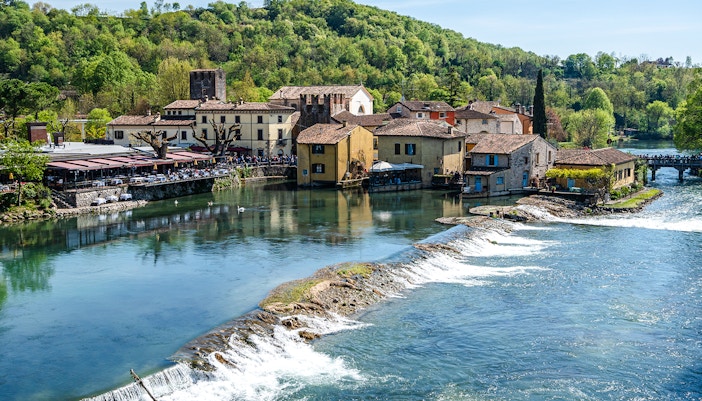
  • 📍 After your visit: Borghetto sul Mincio is the easiest child-friendly follow-up because it is close, walkable, and easy for a relaxed meal by the river.

Rules and restrictions

Practical tips

  • Booking and arrival: Book ahead for Tulipanomania, Easter, and holiday weekends, then aim to be at the gate close to opening; arriving 30–45 min earlier in spring can save you the worst entry and rental queues.
  • Pacing: Don’t burn your energy on the first photo stretch of Viale delle Roses alone — save time and legs for the labyrinth, water gardens, and at least one quieter outer-area stop like the hermitage or Great Oak.
  • Crowd management: A weekday morning works best here because the problem is not only entry lines; it also means shorter waits for cafés, toilets, train boarding, and better space on the main photo avenues.
  • What to bring or leave behind: Bring a picnic, water, and sun cover, but keep your bag light; 60 hectares with repeated stops feels much longer when you’re hauling a full daypack.
  • Transport choice: If you want the full park but don’t want an 8km walking day, spend the extra €5 on the train first or go straight to the €20-per-hour golf cart if you’re visiting as a group.
  • Food and drink: Eat either before you enter or as a picnic inside, because the on-site bars are regularly described as crowded and expensive, especially in peak bloom periods.
  • Seasonal planning: If you care most about tulips, target late March to April; if you want fewer crowds with strong color, September and October are often a smarter trade-off.

What else is worth visiting nearby?

Eat, shop and stay near Sigurta Park

  • On-site: The park’s bars and cafés are convenient for drinks and light bites, but they are best treated as a fallback rather than a destination because reviews regularly mention crowds and weak value.
  • Borghetto sul Mincio riverside trattorias: (10-min walk, Borghetto sul Mincio): Best for a proper post-park lunch, especially if you want the local tortellini in a much better setting than the in-park bars.
  • Valeggio sul Mincio town-center cafés: (5–10 min drive, Valeggio sul Mincio): A useful coffee or gelato stop if you are arriving from Verona or heading onward after a shorter visit.
  • Peschiera del Garda lakefront restaurants: (15–20 min drive, Peschiera del Garda): Better for dinner than lunch during the park day, especially if you are continuing toward Lake Garda.
  • 💡 Pro tip: If you are visiting on a spring weekend, bring a picnic and eat inside the park, then save your sit-down meal for Borghetto when the crowds thin out later in the afternoon.
  • Park shop: The simplest souvenir stop if you want a quick garden-themed memento without adding another detour before leaving.
  • Borghetto artisanal food shops: Local tortellini and small food gifts are the most place-specific thing to buy nearby, and they feel more memorable than a generic souvenir.

Yes, but mainly for 1 night or as part of a slower Lake Garda trip rather than a city-focused Verona stay. Valeggio and Borghetto are charming, quiet, and easy for a relaxed garden morning, but they are not the best base if your priority is restaurants, nightlife, or multiple major sights without a car.

  • Price point: The area skews mid-range and quieter rather than budget-heavy, with better value once you move slightly outside the postcard core.
  • Best for: Visitors who want a slower pace, an early park start, or a romantic stop between Verona and Lake Garda.
  • Consider instead: Verona for a fuller city trip, or Peschiera del Garda if you want to combine Sigurta with lake access, rail convenience, and more dining options.

Frequently asked questions about visiting Sigurta Park

Most visits take 3–4 hours. That is enough for the rose avenue, Great Lawn, water gardens, labyrinth, and a few quieter corners, but a full exploration with picnic stops or transport add-ons can easily stretch to 5 hours or more.

More reads